

Lead Inspection Regulations in Pennsylvania: What You Need to Know

Lead exposure remains a serious health risk, especially in older buildings. Pennsylvania enforces strict lead inspection regulations to protect residents and property owners. Understanding these rules is essential for landlords, real estate investors, property owners, and property managers. This guide explains the key requirements and practical steps to comply with Pennsylvania’s lead inspection laws.
Overview of Lead Inspection Regulations in Pennsylvania
Pennsylvania follows federal and state laws to regulate lead hazards in residential properties. The primary goal is to identify and control lead-based paint hazards, particularly in homes built before 1978. These regulations apply to rental properties, homes for sale, and certain renovation projects.
The Pennsylvania Department of Environmental Protection (DEP) and the Department of Health oversee lead safety programs. They require certified professionals to conduct inspections and risk assessments. Property owners must comply with these rules to avoid penalties and ensure safe living environments.
Key points of Pennsylvania lead inspection regulations include:
Mandatory lead inspections for properties built before 1978 when selling or leasing.
Certification requirements for lead inspectors and risk assessors.
Lead hazard reduction and clearance testing after abatement work.
Disclosure of known lead hazards to tenants and buyers.
Compliance with federal Renovation, Repair, and Painting (RRP) Rule during renovations.
These regulations aim to reduce lead poisoning risks, especially for children under six years old, who are most vulnerable to lead exposure.
Who Must Comply with Lead Inspection Regulations?
The lead inspection regulations in Pennsylvania primarily affect owners and managers of residential properties built before 1978. This includes:
Landlords renting out older properties.
Real estate investors buying or selling pre-1978 homes.
Property owners planning renovations or repairs.
Property managers responsible for maintenance and tenant safety.
If you own or manage a property in Philadelphia, Norristown, or other Pennsylvania areas with older housing stock, you must ensure compliance. Failure to meet lead inspection requirements can result in fines, legal liability, and health risks for occupants.
The regulations also require that lead inspections be performed by certified professionals. These experts use specialized tools and methods to detect lead hazards accurately.
What do they do during a lead inspection?
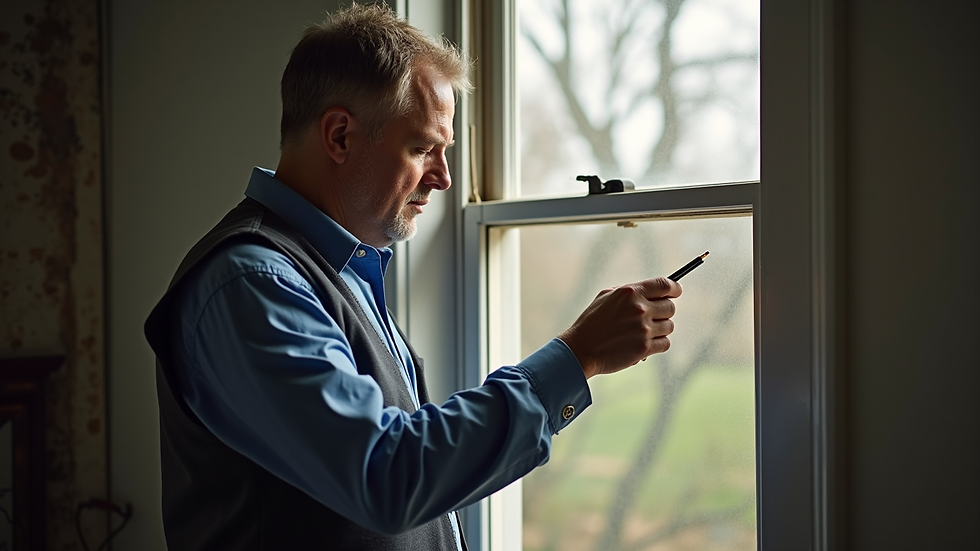
During a lead inspection, certified inspectors conduct a thorough examination of the property to identify lead-based paint and hazards. The process typically includes:
Visual Assessment
Inspectors look for deteriorated paint, dust, and soil contamination around the property. They check windows, doors, walls, and other painted surfaces.
Paint Testing
Using portable X-ray fluorescence (XRF) analyzers or laboratory paint chip analysis, inspectors test painted surfaces for lead content.
Dust and Soil Sampling
Samples of dust and soil may be collected to check for lead contamination, especially in areas where children play.
Risk Assessment
If lead hazards are found, inspectors evaluate the risk level and recommend control or abatement measures.
Report Preparation
Inspectors provide a detailed report outlining findings, hazard locations, and recommended actions.
This inspection helps property owners understand the extent of lead hazards and plan necessary remediation to comply with regulations.

How to Prepare for a Lead Inspection
Preparation can make the lead inspection process smoother and more effective. Here are practical steps to take before the inspection:
Clear Access to Painted Surfaces
Remove furniture, curtains, and other items near windows, doors, and walls to allow inspectors to examine all areas.
Clean the Property
Vacuum and dust to reduce surface contaminants that might interfere with testing.
Gather Property Records
Provide any previous lead inspection reports, renovation records, or disclosures to the inspector.
Notify Tenants
Inform tenants about the inspection schedule and what to expect.
Plan for Repairs
Be ready to address any identified lead hazards promptly after the inspection.
Proper preparation helps inspectors perform a thorough evaluation and reduces the risk of delays or additional visits.
Lead Inspection Certification and Licensing in Pennsylvania
Only certified professionals can perform lead inspections and risk assessments in Pennsylvania. The state requires inspectors to complete training and pass exams approved by the Department of Environmental Protection.
Certification ensures inspectors understand lead hazards, testing methods, and safety protocols. Property owners should verify that the inspector holds valid certification before hiring.
Additionally, contractors performing lead hazard control or abatement must also be licensed. This ensures that lead removal or containment work meets safety standards and passes clearance testing.
Hiring certified professionals protects property owners from liability and ensures compliance with state and federal laws.
Practical Tips for Maintaining Lead-Safe Properties
After completing lead inspections and any necessary abatement, maintaining a lead-safe property is crucial. Here are actionable recommendations:
Regularly Inspect Painted Surfaces
Check for peeling, chipping, or deteriorated paint and repair promptly.
Use Lead-Safe Work Practices
When renovating, follow EPA’s RRP Rule to prevent lead dust contamination.
Keep Floors and Windowsills Clean
Frequent wet cleaning reduces lead dust exposure.
Educate Tenants
Provide information about lead hazards and safe practices.
Document All Lead-Related Work
Maintain records of inspections, repairs, and tenant notifications.
These steps help protect occupants and maintain compliance with Pennsylvania’s lead inspection regulations.
Resources for Lead Inspection in Pennsylvania
For those seeking professional lead inspection services, lead inspection pa offers certified inspections and risk assessments in Philadelphia and Norristown. They provide expert guidance to help property owners meet regulatory requirements and ensure safer homes.
Additional resources include:
Pennsylvania Department of Environmental Protection (DEP)
U.S. Environmental Protection Agency (EPA) Lead Program
Pennsylvania Department of Health Lead Poisoning Prevention Program
Accessing these resources can provide valuable information and support for managing lead hazards effectively.
Staying Compliant with Pennsylvania Lead Inspection Regulations
Compliance with lead inspection regulations is not optional. It protects residents, reduces liability, and preserves property value. Staying informed about current laws and working with certified professionals ensures that properties meet safety standards.
Regular inspections, proper maintenance, and timely hazard control are essential. By following Pennsylvania’s lead inspection regulations, property owners contribute to healthier communities and safer living environments.
Taking proactive steps today prevents costly problems tomorrow. Prioritize lead safety to protect your investment and the people who live in your properties.


Comments