

Understanding the Lead-Safe Inspection Process

Lead exposure remains a serious health concern, especially in older buildings. Ensuring properties are free from hazardous lead levels is essential for safety and compliance. The lead-safe inspection process helps identify and manage lead risks effectively. This article explains the process in detail, providing practical insights for property owners and managers.
The Lead-Safe Inspection Process Explained
The lead-safe inspection process involves a thorough evaluation of a property to detect the presence of lead-based paint hazards. This inspection is critical for properties built before 1978, when lead paint was commonly used. The process includes several key steps:
Visual Assessment
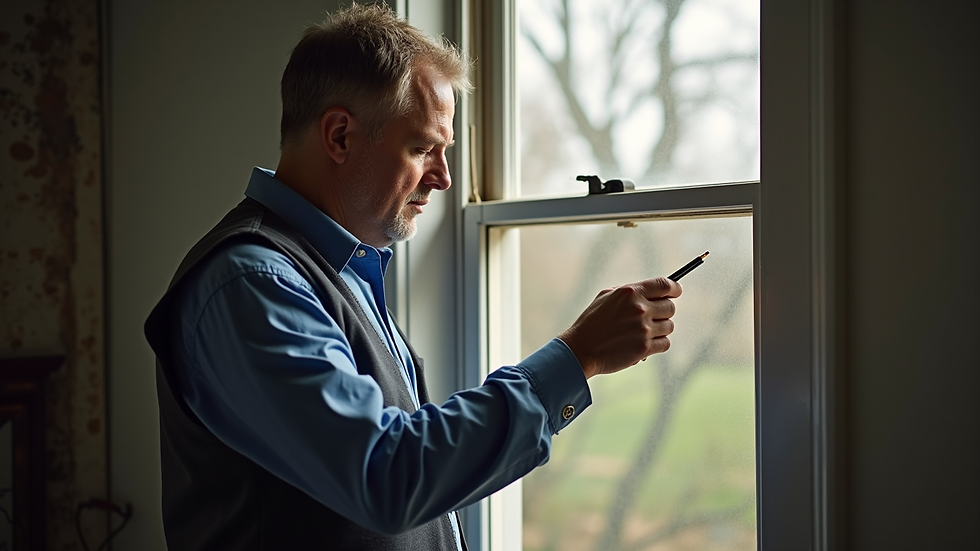
Inspectors examine all painted surfaces for signs of deterioration, such as chipping, peeling, or cracking paint. These areas are potential sources of lead dust and chips.
Testing for Lead
Certified inspectors use specialized tools to test paint, dust, and soil samples. Common methods include X-ray fluorescence (XRF) analyzers and laboratory analysis of collected samples.
Risk Assessment
If lead hazards are found, inspectors evaluate the risk level based on the amount and location of lead. This assessment helps determine the necessary remediation actions.
Reporting
A detailed report is provided, outlining findings, risk levels, and recommended steps to address any hazards. This report is essential for compliance with local regulations.
The process ensures that property owners understand the lead risks and take appropriate measures to protect occupants.

Why the Lead-Safe Inspection Process Matters
Lead exposure can cause serious health problems, especially for children and pregnant women. Lead poisoning affects the nervous system, causing developmental delays and other long-term issues. For property owners, ensuring a lead-safe environment is not only a legal obligation but also a responsibility to protect tenants.
The lead-safe inspection process helps:
Identify hidden lead hazards before they cause harm
Comply with federal and state regulations
Avoid costly fines and legal issues
Maintain property value by ensuring safety standards
Following the inspection, property owners can plan lead hazard control measures such as paint stabilization, lead paint removal, or encapsulation.
What are signs of too much lead in your body?
Lead poisoning often shows subtle symptoms that can be easily overlooked. Recognizing these signs early is crucial for timely intervention. Common symptoms include:
Fatigue and weakness
Headaches and irritability
Abdominal pain and constipation
Memory problems and difficulty concentrating
Developmental delays in children
If anyone in the property shows these symptoms, it is important to consider lead exposure as a possible cause and seek medical testing immediately.
How to Prepare for a Lead-Safe Inspection
Preparation helps the inspection go smoothly and ensures accurate results. Here are practical steps to prepare:
Clear Access: Remove furniture and belongings from areas with peeling or chipping paint.
Clean Surfaces: Vacuum and wet mop floors to reduce dust that could interfere with testing.
Inform Occupants: Notify tenants about the inspection schedule and safety precautions.
Gather Records: Provide any previous lead inspection or remediation reports to the inspector.
Proper preparation minimizes disruptions and helps inspectors perform a thorough evaluation.

Next Steps After the Lead-Safe Inspection
After receiving the inspection report, property owners should act promptly on the recommendations. Typical next steps include:
Lead Hazard Control: Hire certified contractors to perform lead paint stabilization, removal, or encapsulation.
Clearance Testing: After remediation, conduct clearance testing to confirm that lead hazards have been effectively addressed.
Documentation: Keep all inspection and remediation records for compliance and future reference.
Tenant Communication: Inform tenants about the completed work and any ongoing safety measures.
Following these steps ensures the property remains safe and compliant with regulations.
Staying Compliant and Safe
Regular lead-safe inspections are essential for maintaining safe properties, especially in older buildings. Staying informed about local regulations and working with certified professionals helps avoid penalties and protects occupants’ health.
For property owners in Philadelphia and Norristown, PA Lead Certification offers trusted lead-safe inspection services. Their expertise simplifies compliance and promotes safer living environments.
For more information on scheduling a lead inspection, visit their website.
Understanding the lead-safe inspection process empowers property owners to manage lead risks effectively. Taking proactive steps protects health, ensures compliance, and preserves property value.


Comments